Brush & Voice: Peng Wei’s Reimagining of Contemporary Ink

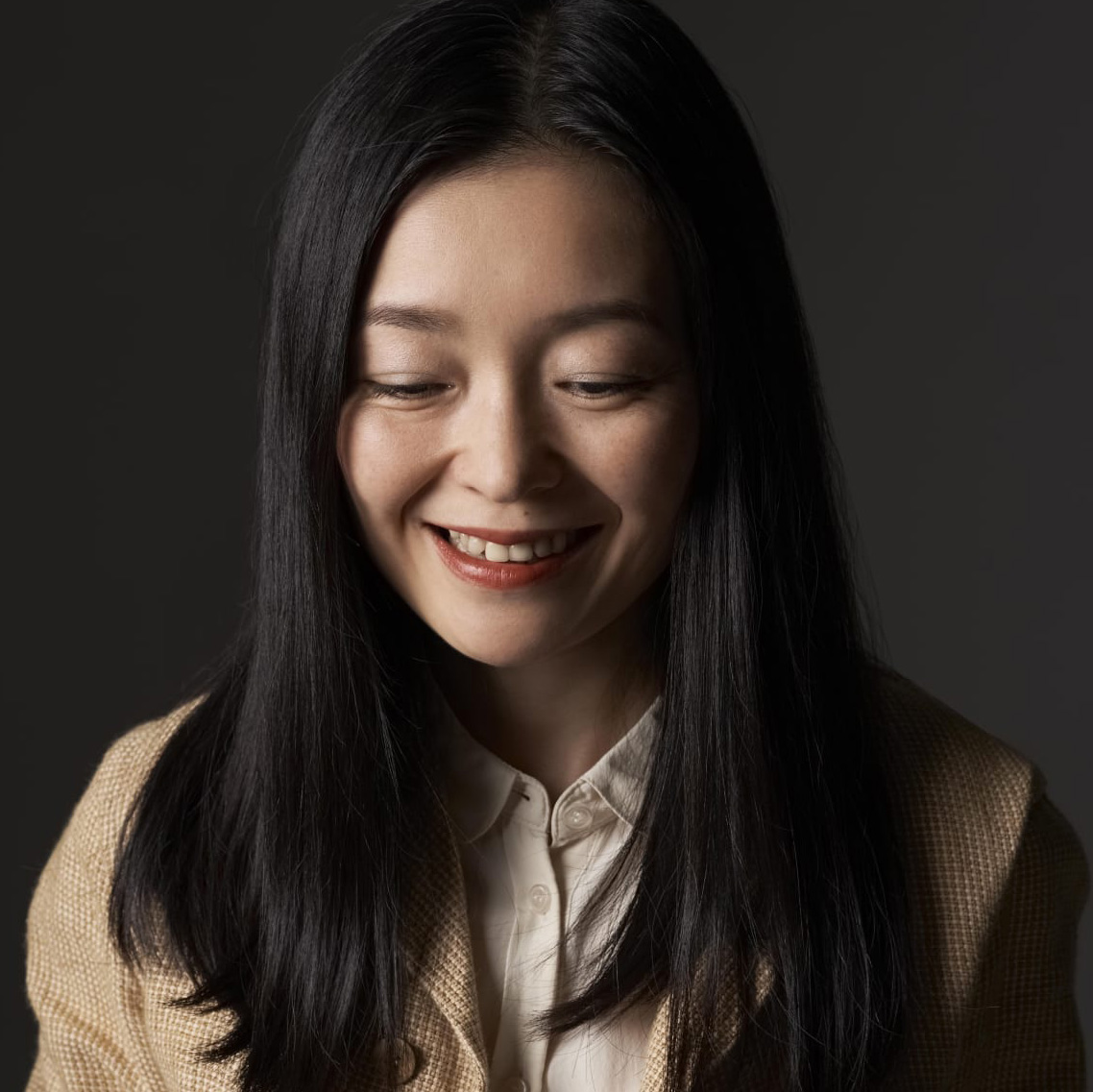
Peng Wei (b. 1974, Chengdu, China) is a Beijing-based artist known for reimagining classical Chinese painting through contemporary forms and materials. Holding a master’s degree in philosophy from Nankai University, she blends traditional aesthetics with embroidered garments, shoes, and three-dimensional installations. Her work has been exhibited internationally, including at the Suzhou Museum, Guangdong Museum of Art, and the National Museum of Taiwan History, and is held in major collections such as the Cleveland Museum of Art, the Museum of Fine Arts Boston, the Asian Art Museum San Francisco, the Brooklyn Museum, M+ Hong Kong, and the National Art Museum of China.
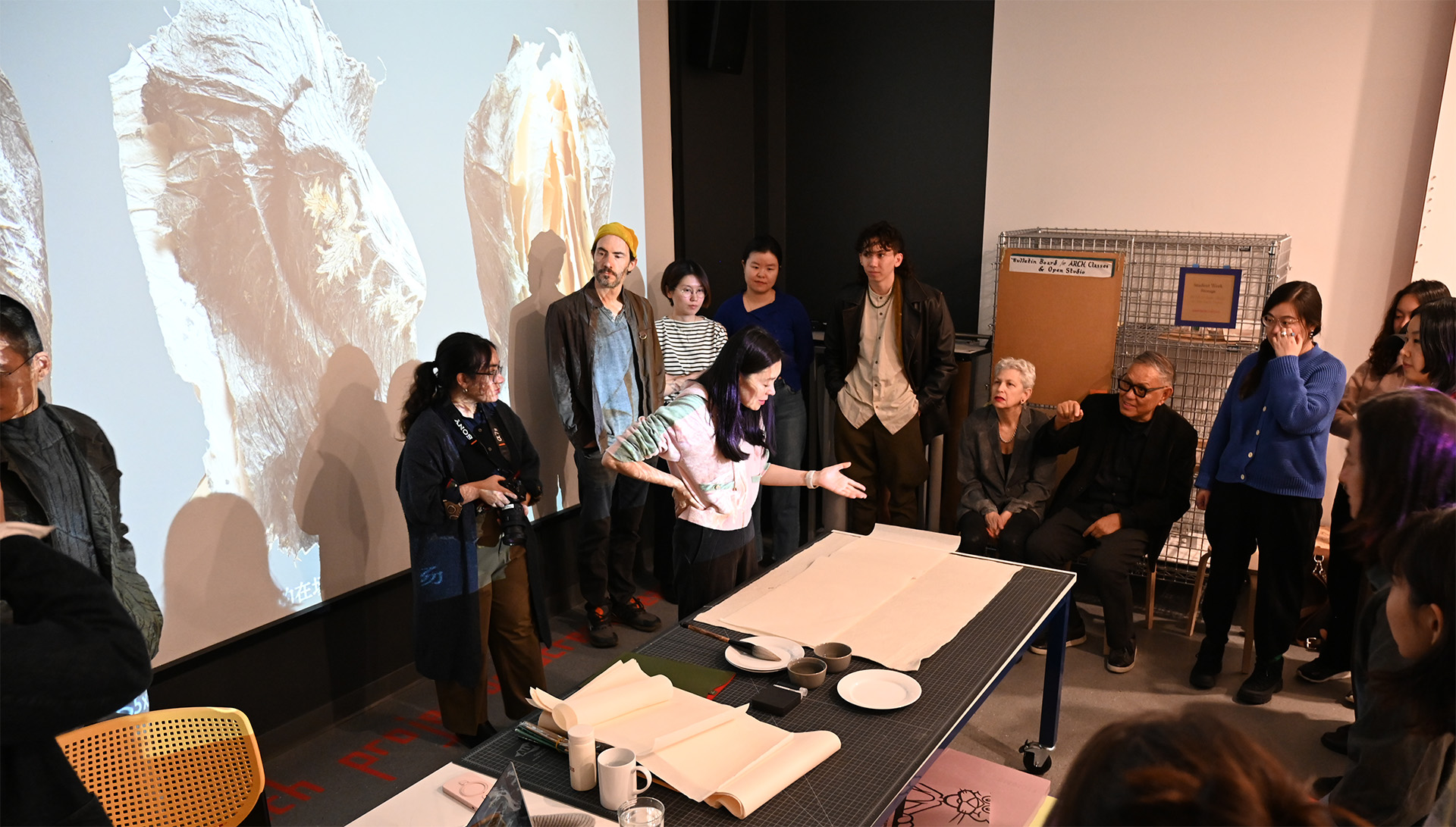
On a drizzling April morning in early spring, the Center for the Art of Asia at the University of Chicago had the honor of welcoming renowned Chinese artist Peng Wei to its Hyde Park campus. During her visit, Peng shared her artistic vision and practice as a contemporary Chinese artist who reimagines and reintegrates the profound traditions of Chinese ink art—expressing both her personal identity and her perspective as a woman in today’s world.
Peng Wei’s practice is distinguished by her imaginative reinterpretation of classical Chinese art, particularly vernacular painting—a genre that portrays stories of women, everyday life, and popular culture—as well as funerary imagery and shanshui (landscape painting). Working across diverse media and formats, she projects ink landscapes and literary allusions onto unexpected surfaces such as mannequins, embroidered shoes, and digital screens, probing how both physical and metaphorical bodies can “wear” cultural memory.
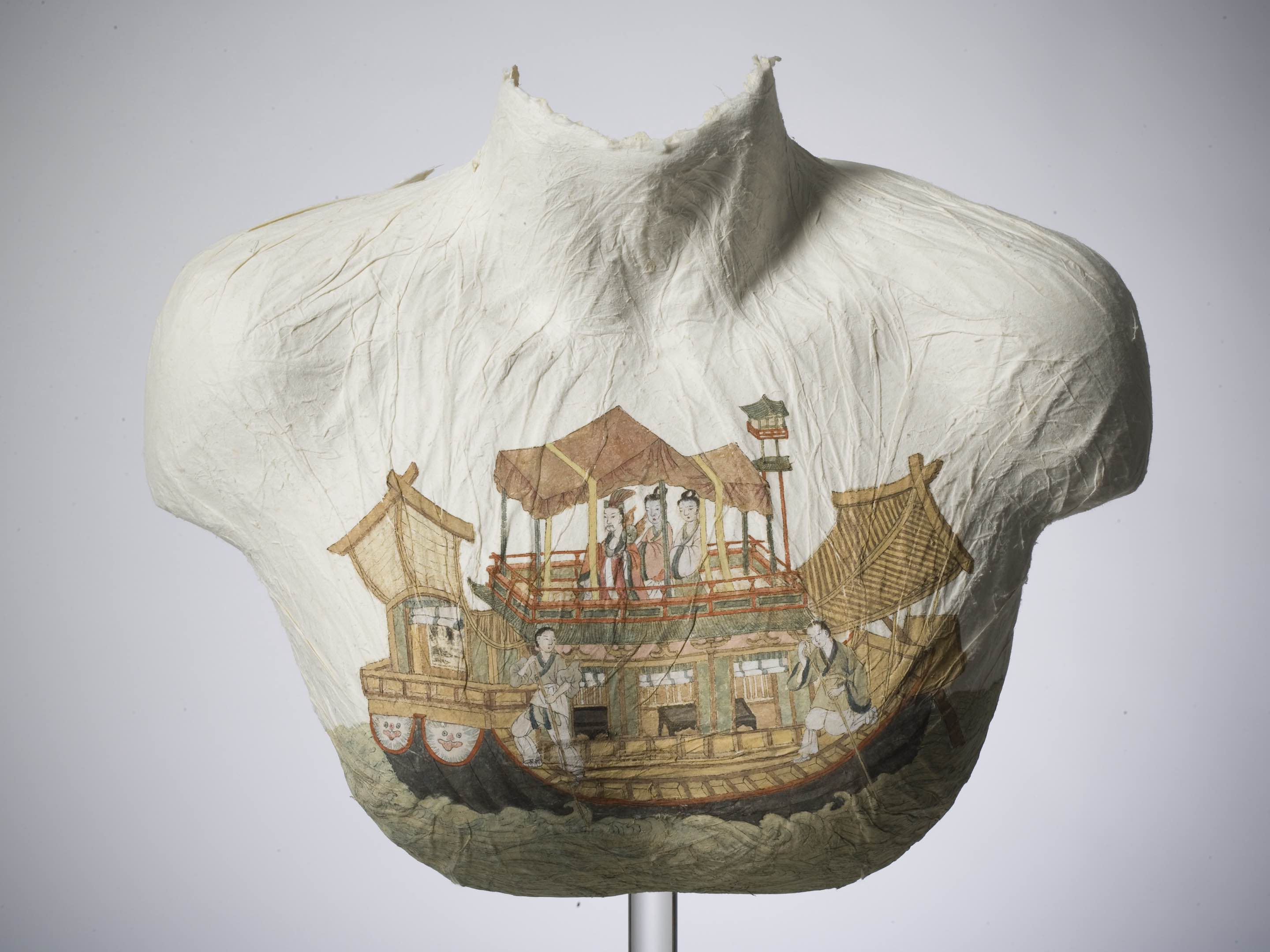
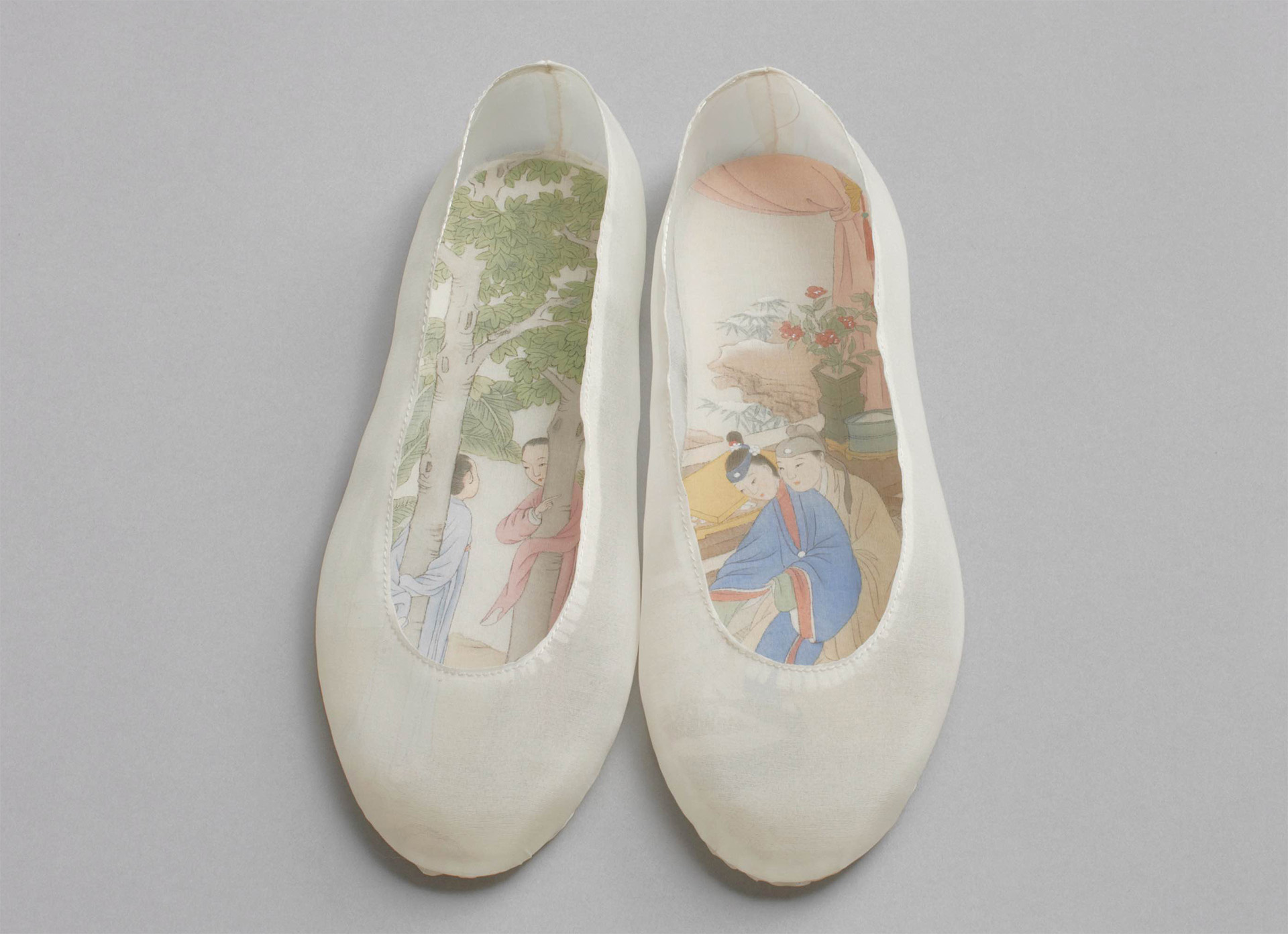
Over the past decade, Peng has expanded her inquiries into three-dimensional objects and immersive installations. While preserving the finesse of traditional ink brushwork, her work opens space for contemporary dialogues on gender, embodiment, and temporality. Drawing from a visual lexicon rooted in Chinese art history, she forges a deeply personal language shaped by her sensibility and lived experience as a woman.
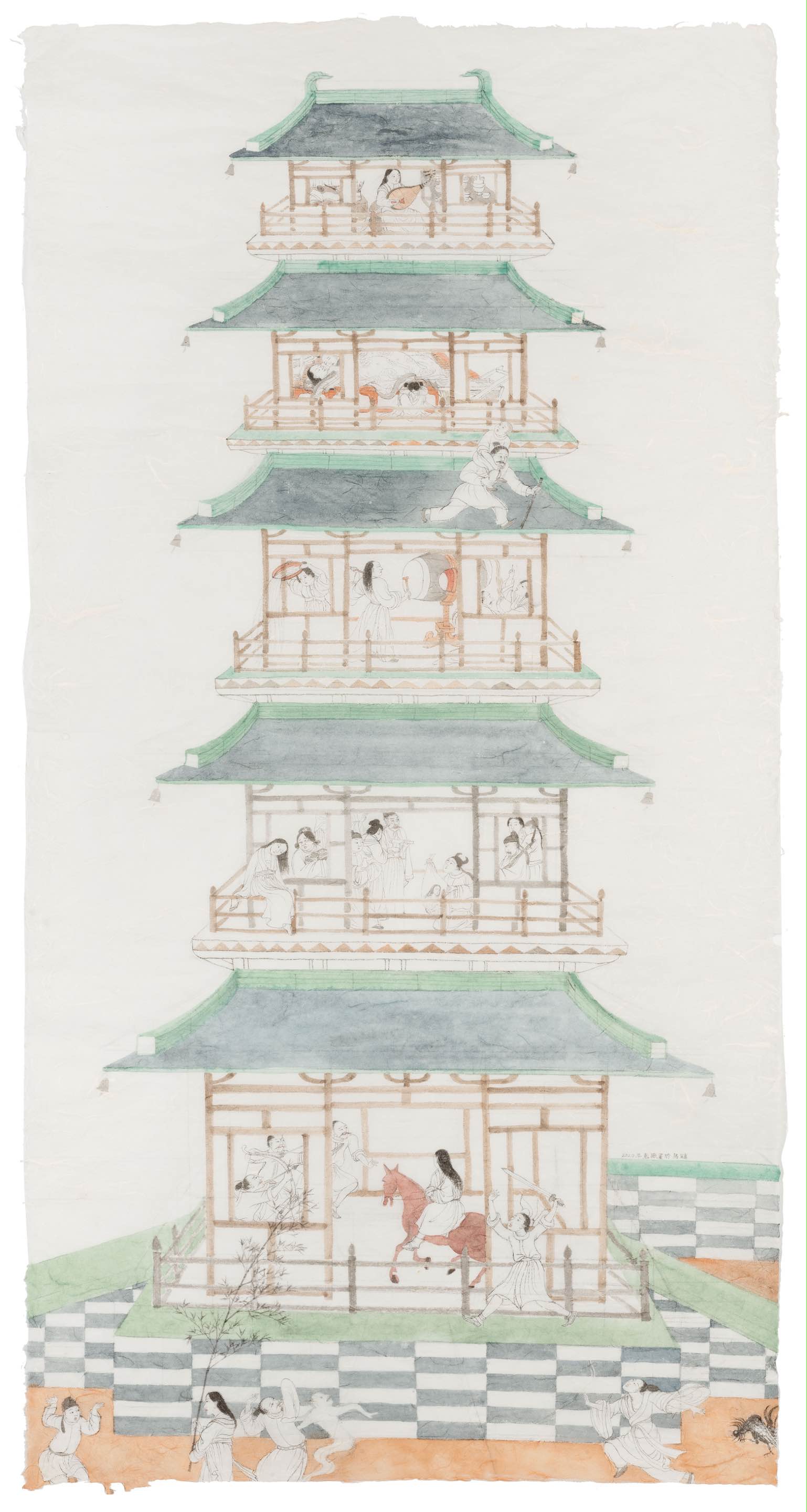
Her inquiry also extends to the materiality of ink itself and thrives through interdisciplinary collaborations—most notably with scholars Judith Zeitlin and Wu Hung. Through these partnerships, Peng translates art history, gender theory, and classical literature into compelling visual narratives. Her work critically reflects on contemporary expectations surrounding love, intimacy, aging, and beauty—offering a resonant commentary on what it means to inhabit womanhood both within and beyond tradition.
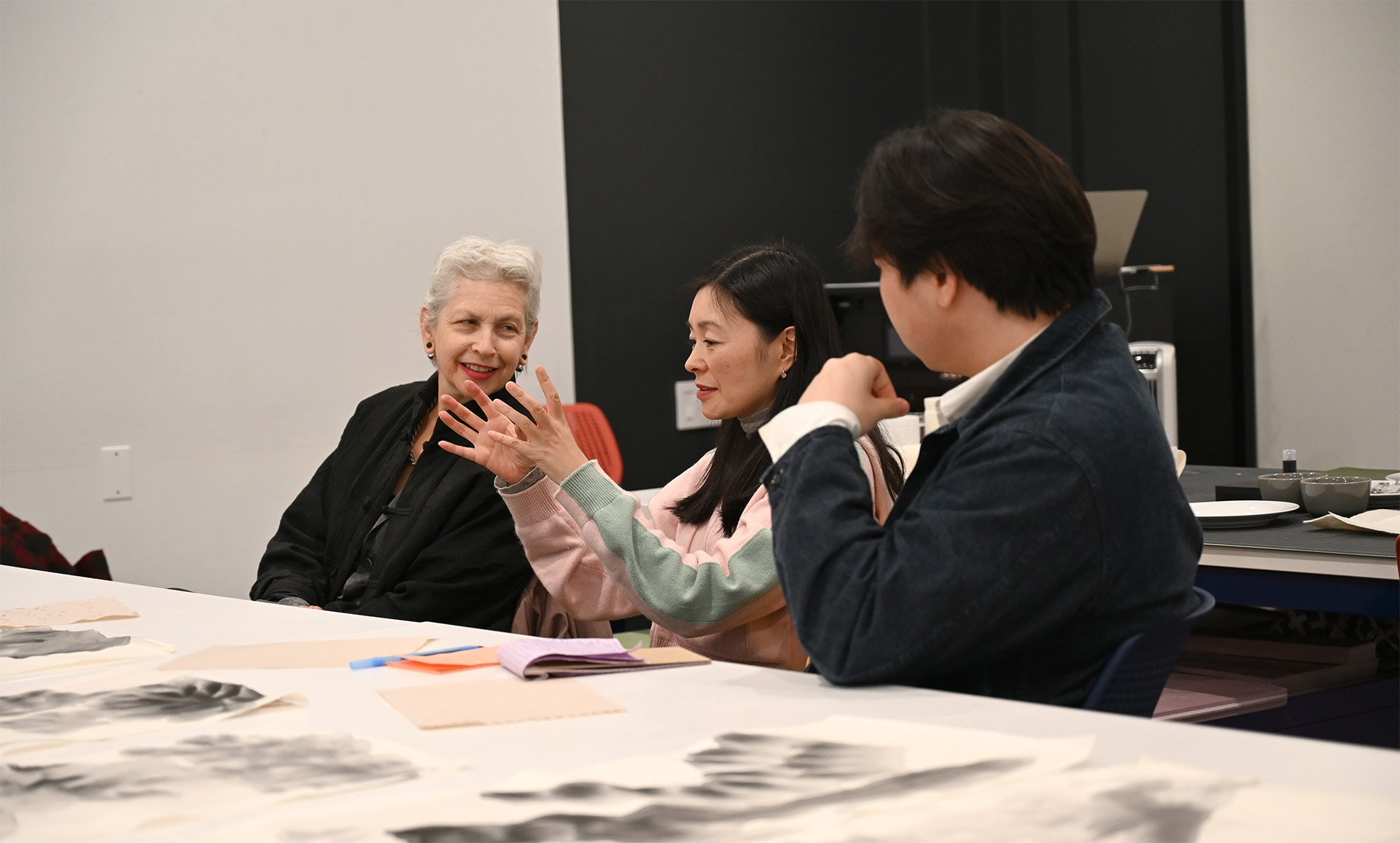
Trained in the traditional Chinese boneless technique (没骨画)—a method that creates form through washes of ink and color rather than defined lines—Peng draws inspiration from masters such as Xu Chongsi, the Northern Song dynasty painter who popularized the boneless style in both flower-and-bird and landscape painting. This technique resonates with Peng’s understanding of art as an intuitive, bodily, and temporal practice. “When I am painting, I can’t immediately tell if a painting is good or bad—it takes time,” she explains. “What’s important is that sometimes the brush knows more than I do. The painter follows the brush, and the brush often knows where it’s going first.”
This dedication to intuition—where gesture, breath, and brushwork unite—allows Peng to capture the immediacy of presence and the truth of lived experience. Her brush becomes a conduit for emotion and reflection, embedding her personal story within the long continuum of Chinese visual tradition.
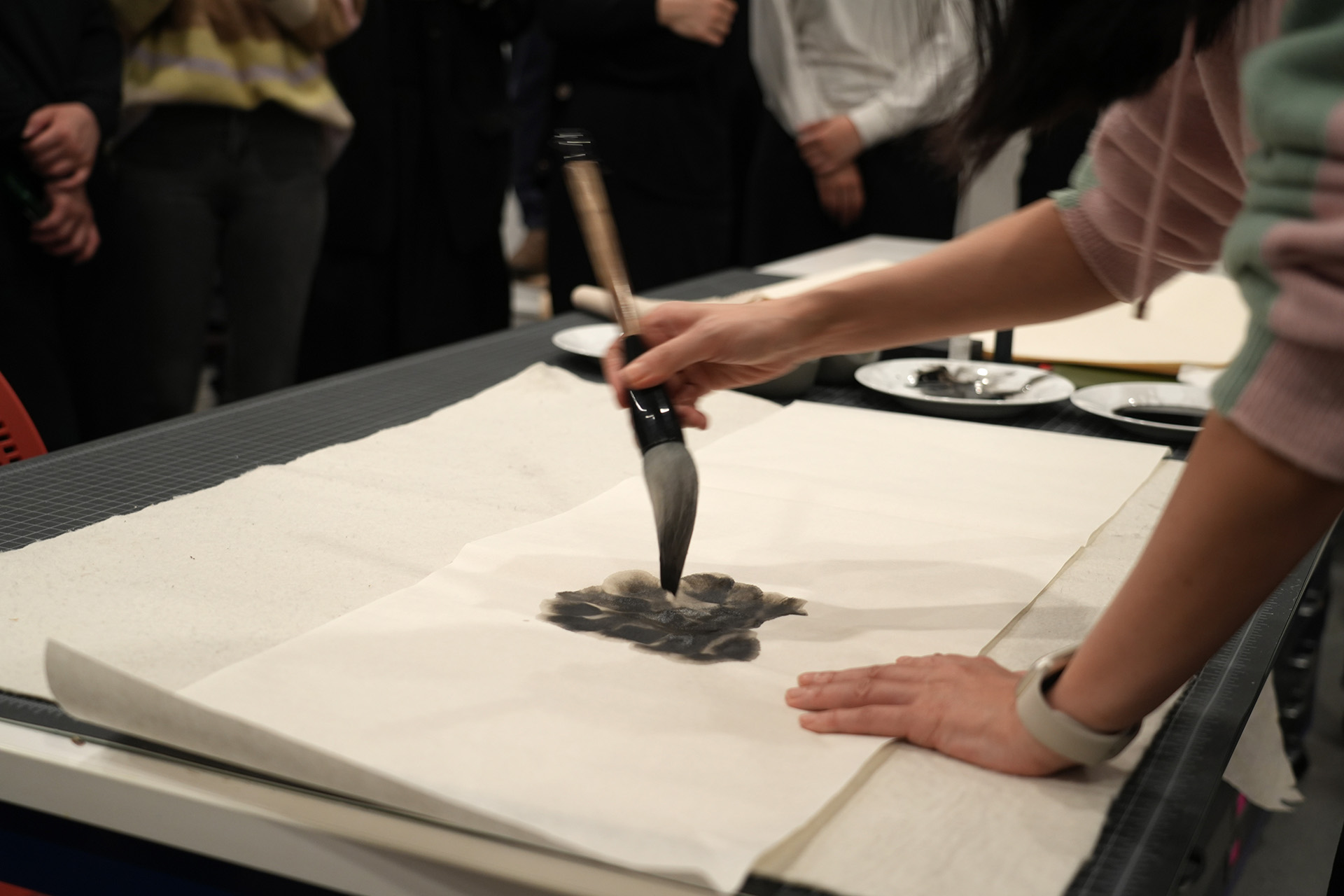
"Through this demonstration, I want to show how painting is deeply connected to the movements of the body—it’s a fundamental part of my practice.
And breath is another essential element in this process.
When I paint, I often hold my breath at the beginning, completing the gesture in one breath. The brush follows the rhythm of my body and breath throughout.
When I paint, I leave my thoughts outside—I don’t think about anything. It becomes like a form of physical or muscular training. That, to me, is the essence of painting.
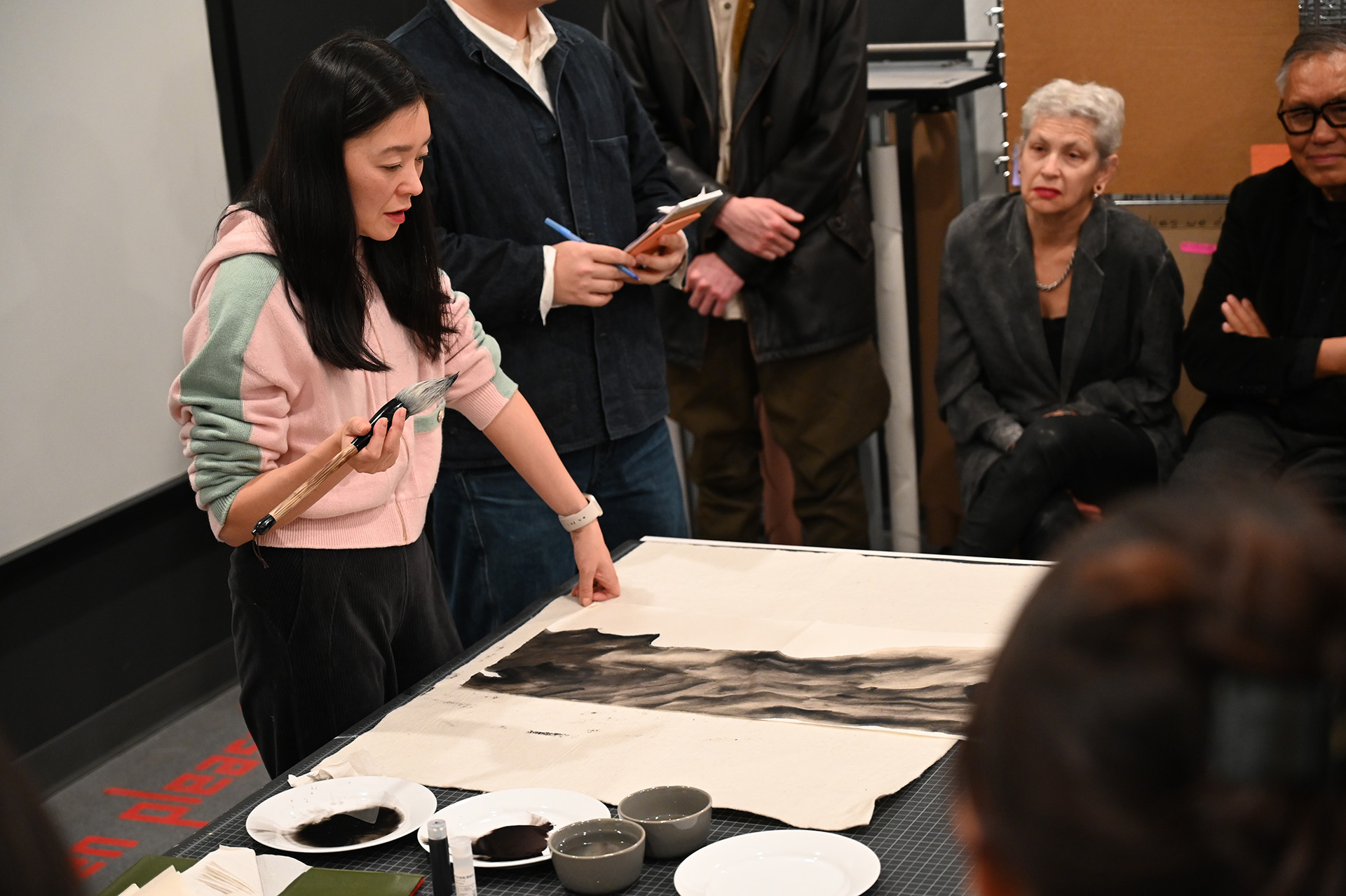
I start and end based entirely on intuition—like an animal responding to instinct.
I can’t immediately tell if a painting is good or bad—it takes time. But I joke that this one is probably bad. What’s important is that sometimes the brush knows more than I do—the painter follows the brush, and the brush often "knows" where it’s going first.
When I was young I often gave live painting demonstrations for international audiences.
In the 1980s, when there weren’t many foreigners in China, I was often "brought out" like a circus performer to demonstrate.
I even performed alongside xiangsheng comedians—Chinese crosstalk performers. I don’t particularly like it this way, but it has trained me to enter a kind of meditative state (no self, no others) the moment I pick up the pen, no matter how many people are around.
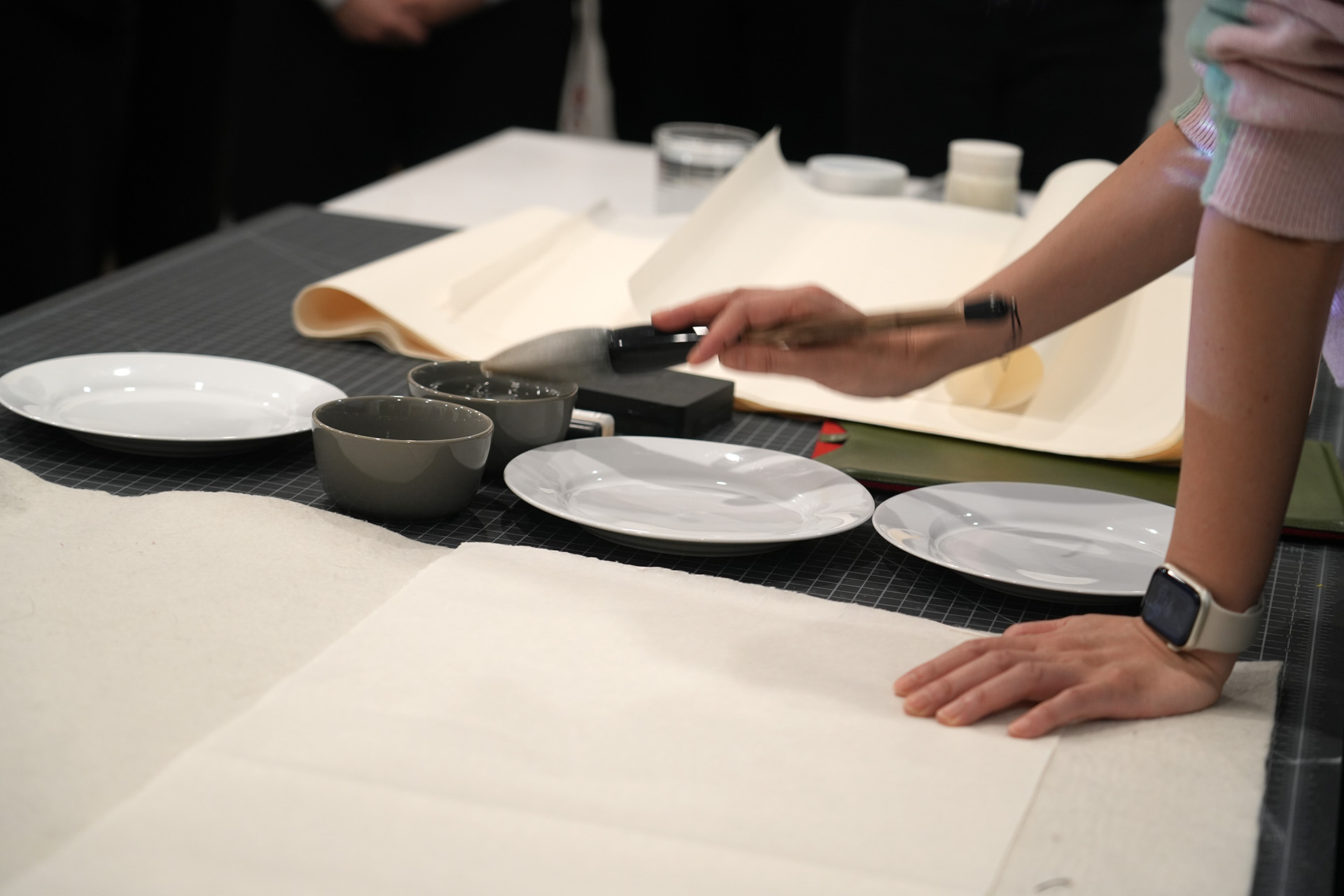
As a Chinese painter, especially when painting in the xieyi (freehand) style, if your experience and skill are advanced enough, you can complete an entire painting from start to finish using just one brush.
It’s like cooking–my brush must carry different flavors. I begin with heavy, dense ink and gradually transition to lighter tones. One brushstroke can contain many colors and shifts, from saturated to diluted, before dipping it again in ink or water.
It’s a process where my body, and senses blend with the materials—the ink, the water, the brush—it’s a deeply physical interaction.
Even now, as I’m talking, I’m waiting for the paper to dry before adding a darker layer—it’s all about timing, like waiting for the right heat and right time when cooking.
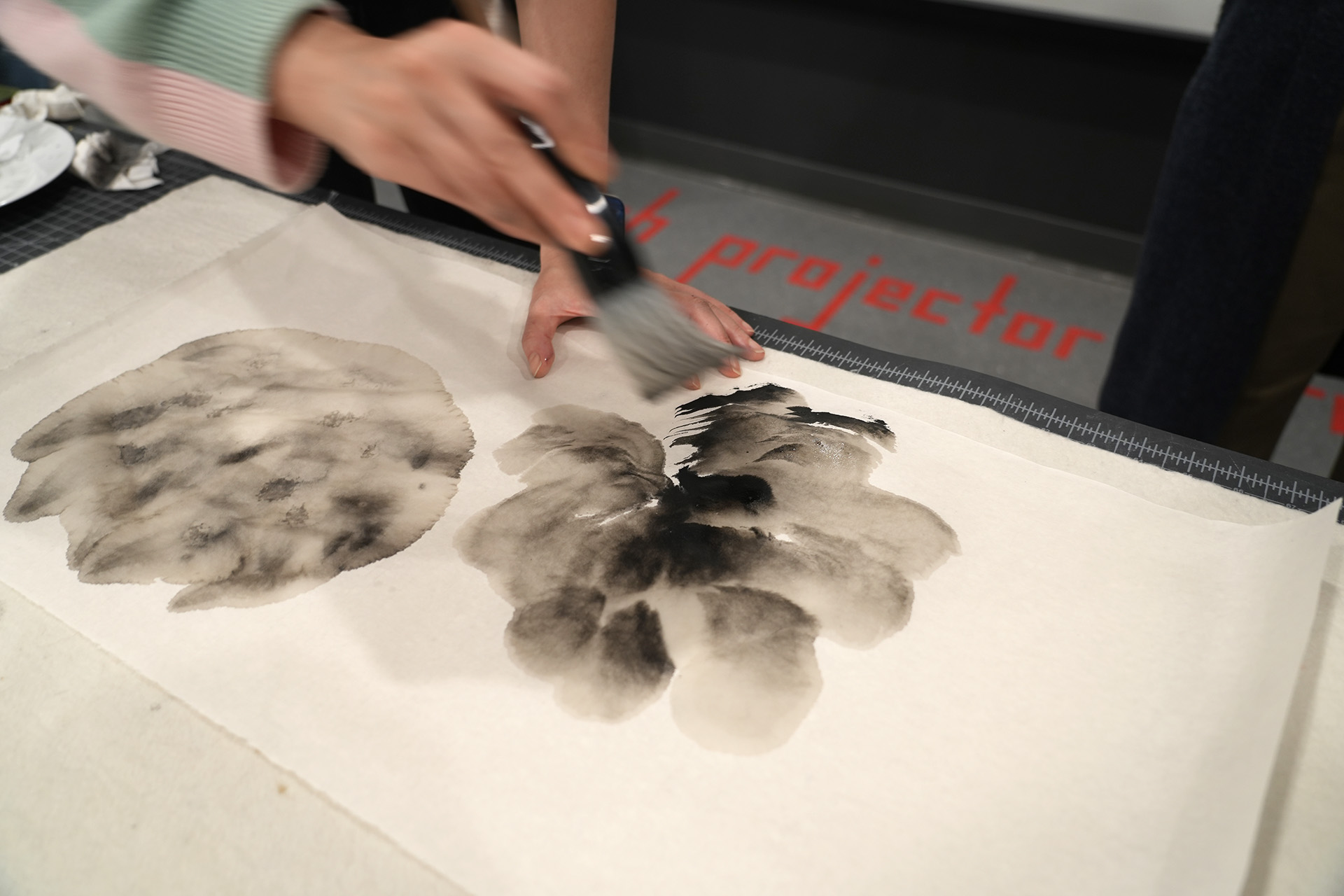
Timing is everything. You need to know when to stop, when to walk away. It’s like being in a relationship—when to start, when to let go—it all depends on your instinct. Everything is judged in the moment
One crucial technique is how the ink and water are absorbed—I never dip the entire brush in ink. Instead, I prepare it gradually, creating layered states on the brush. When applied to paper, these layers reveal themselves in tonal variation—from dense to light—all in one stroke. This subtle transition is what defines the character of the brush.
You need to follow the form of the subject when placing your brush. In my view, it is composed of several strokes, each coming from a different direction. The ink’s density on the brush, as well as the speed and direction of my strokes, also follow the object. It’s like a movement between the eye and the heart, and between the heart and the hand. There should be breathing and connection between each stroke. They must follow the logic and rhythm of painting. This is what we call 'yunbi' (the movement or operation of the brush).
To truly understand this, you must examine the finest Song dynasty paintings up close. But more importantly, you must hold the brush yourself—experiment, and feel the relationship between the brush and your own body.
Of course, before you start painting, you must first observe the subject clearly—how it grows, how the petals unfold and turn. Keep all of that in mind before you begin to paint. Alright, now you can all give it a try."