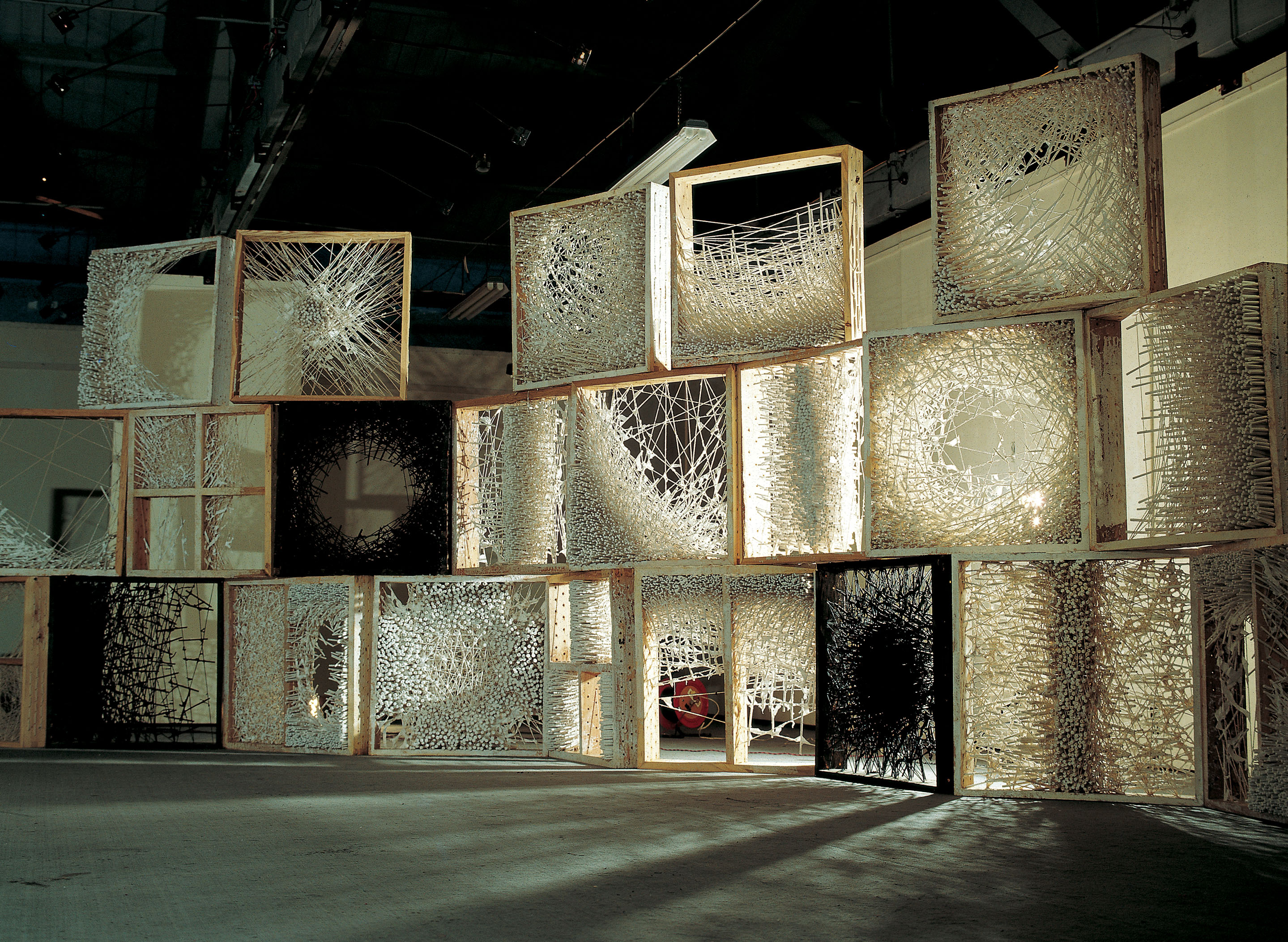
From Periphery to Center: Shi Hui’s Redefinition of Fiber Art
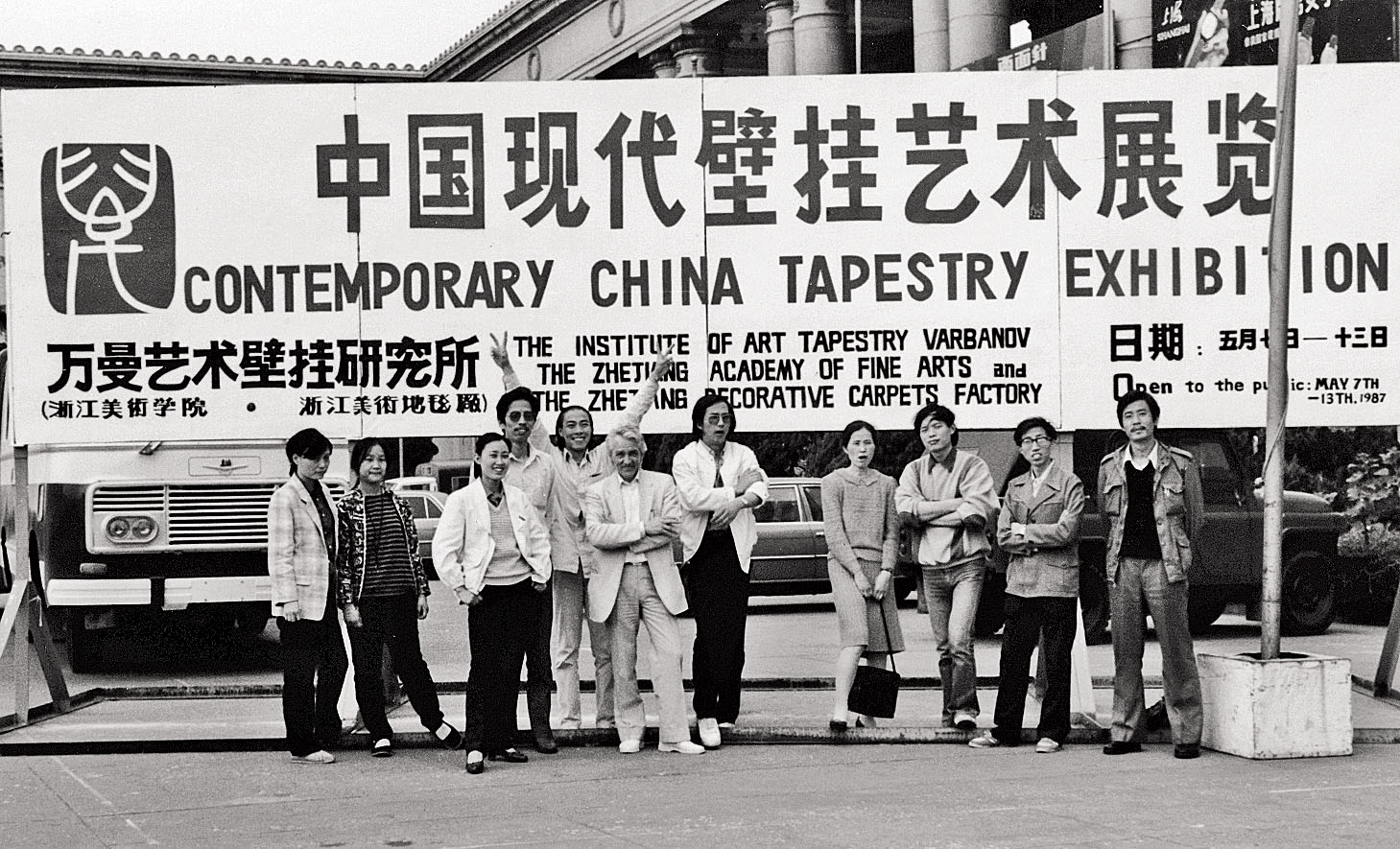
In the historical development of contemporary fiber art in China, Shi Hui has been both a witness and a driving force. Since the 1980s, she has matured within the lineage of contemporary fiber practice initiated by Marin Varbanov and—together with a cohort of artists—participated in pivotal moments in Chinese fiber art’s history such as the 1987 Contemporary China Tapestry Exhibition and Lausanne International Biennial of Tapestry. Through these experiences, she helped reposition fiber art within China’s contemporary art ecosystem: from a marginalized form often associated with craft to a more conceptual, interdisciplinary mode of expression that engages architecture, sculpture, calligraphy, and spatial practice. In this interview, Shi Hui reflects on her pursuit of a borderless expression of fiber art grounded in Chinese traditions. She explains how xuan paper and paper pulp can generate new visual and cultural possibilities and considers how fiber art can expand into interdisciplinary work spanning space, architecture, and environment.
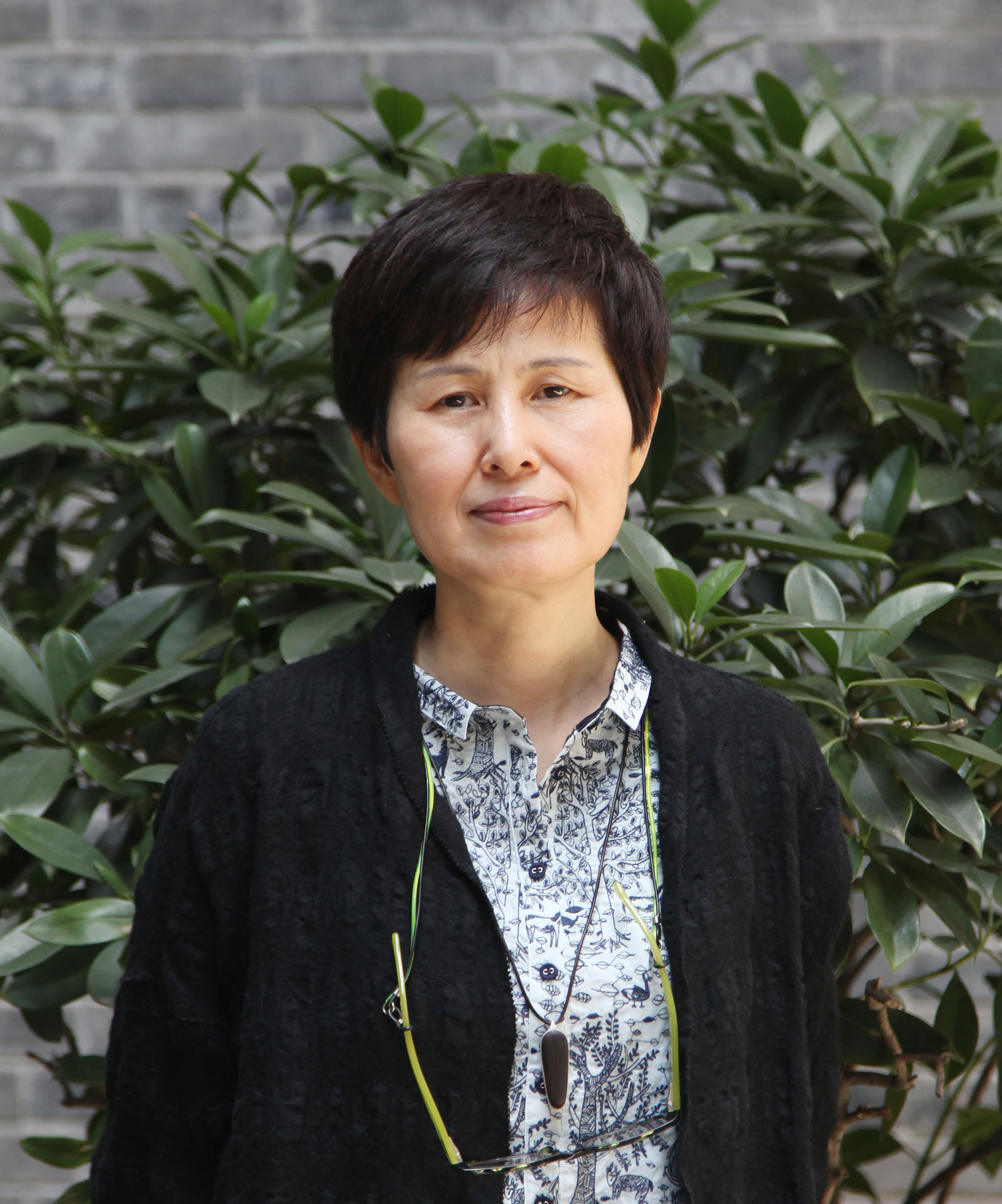
Deng Yuheng: In the 1980s, you were among the first Chinese fiber artists to be featured at the Lausanne International Biennial of Tapestry, and you have been an important figure in advancing fiber art in China from the “margins” toward broader recognition. In this process, how did your practice find points of convergence between Chinese textile and weaving traditions and western contemporary artistic languages? And as you developed your own mode of expression, what challenges did you encounter?
Shi Hui: For me, the path of forming my own expression in fiber art unfolded in roughly two phases: the first was “material experimentation,” and the second was “cultural articulation.”
From 1986 to 1989, I studied tapestry, weaving and fiber art with Mr. Marin Varbanov for three years. During that period, I mainly worked with traditional materials such as wool, linen, and silk. After Mr. Varbanov passed away in 1989, I revisited and reassessed what I had made over those three years. I realized that, although I had always stressed “innovation,” it was still difficult for my work, in formal terms, to break out of the established European paradigms of modern tapestry and fiber art. At that moment, I understood that I needed to find a genuine point of breakthrough for myself—and that the breakthrough had to begin with the materials.
In 1990, I came into contact with xuan paper by chance—especially sheets that had been discarded after students practiced calligraphy and were already covered with writing. Its flexibility, together with the traces of inscription and information already embedded on the surface of the paper, immediately captured my attention. From that moment on, I began using written xuan paper as materials in my weaving experiments. In 1992, I also ran into xuan paper pulp in Fuyang, near Hangzhou. In the vat, the pulp appeared diluted and almost weightless, yet when lifted with a bamboo screen it formed a thin membrane that, once fully dried, became a sheet of paper. This process struck me as almost magical and prompted me to further incorporate paper pulp into my artistic practice.
Of course, I did not completely abandon traditional fibers associated with weaving tradition in China. Throughout the 1990s, I continued to work with textile materials such as cotton and linen, developing the "Structure" series (see fig. top and Fig. 2 below). In their final presentation, these works were directed toward spatial expression: they were not merely “woven,” but rather seemed to “grow” within space.
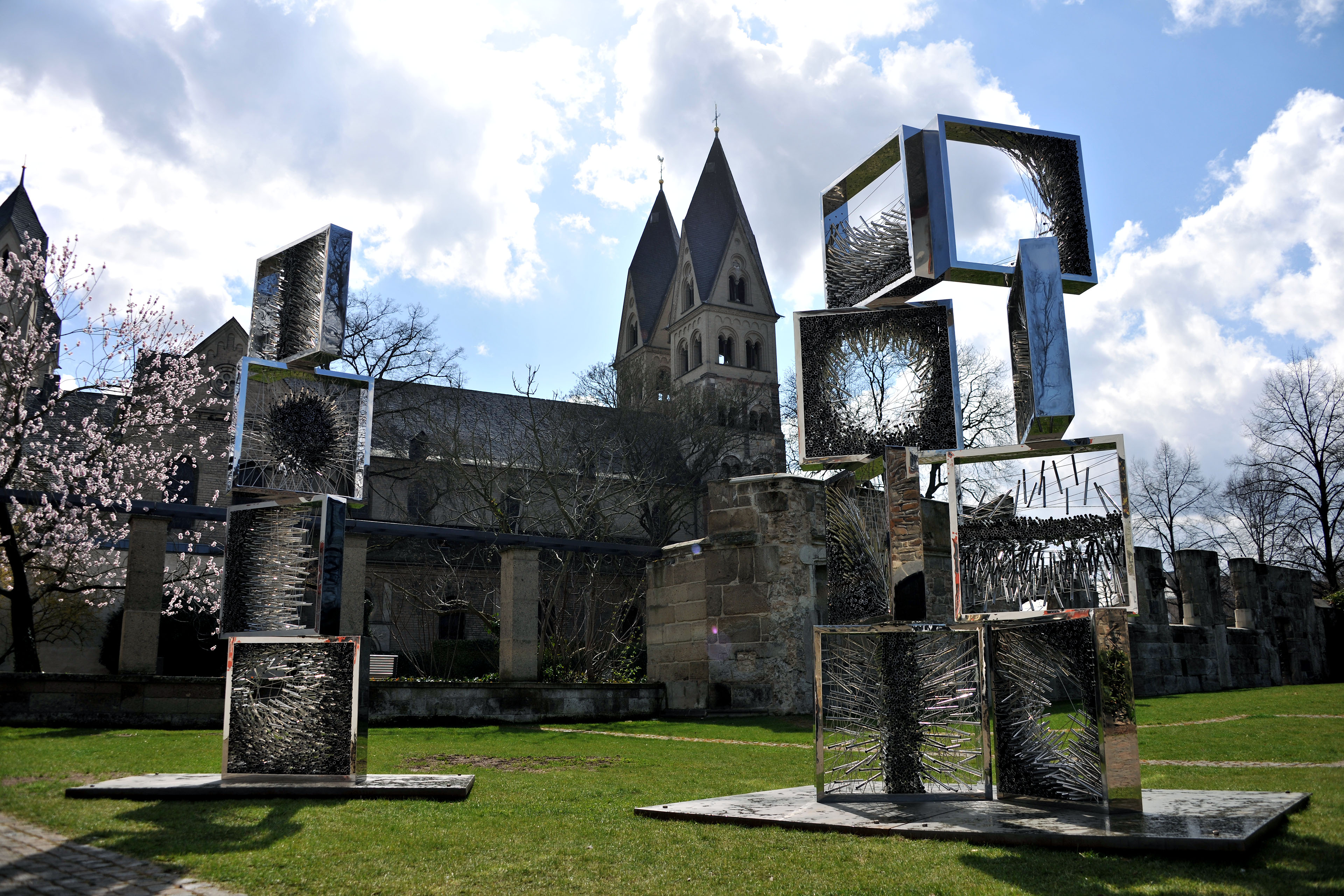
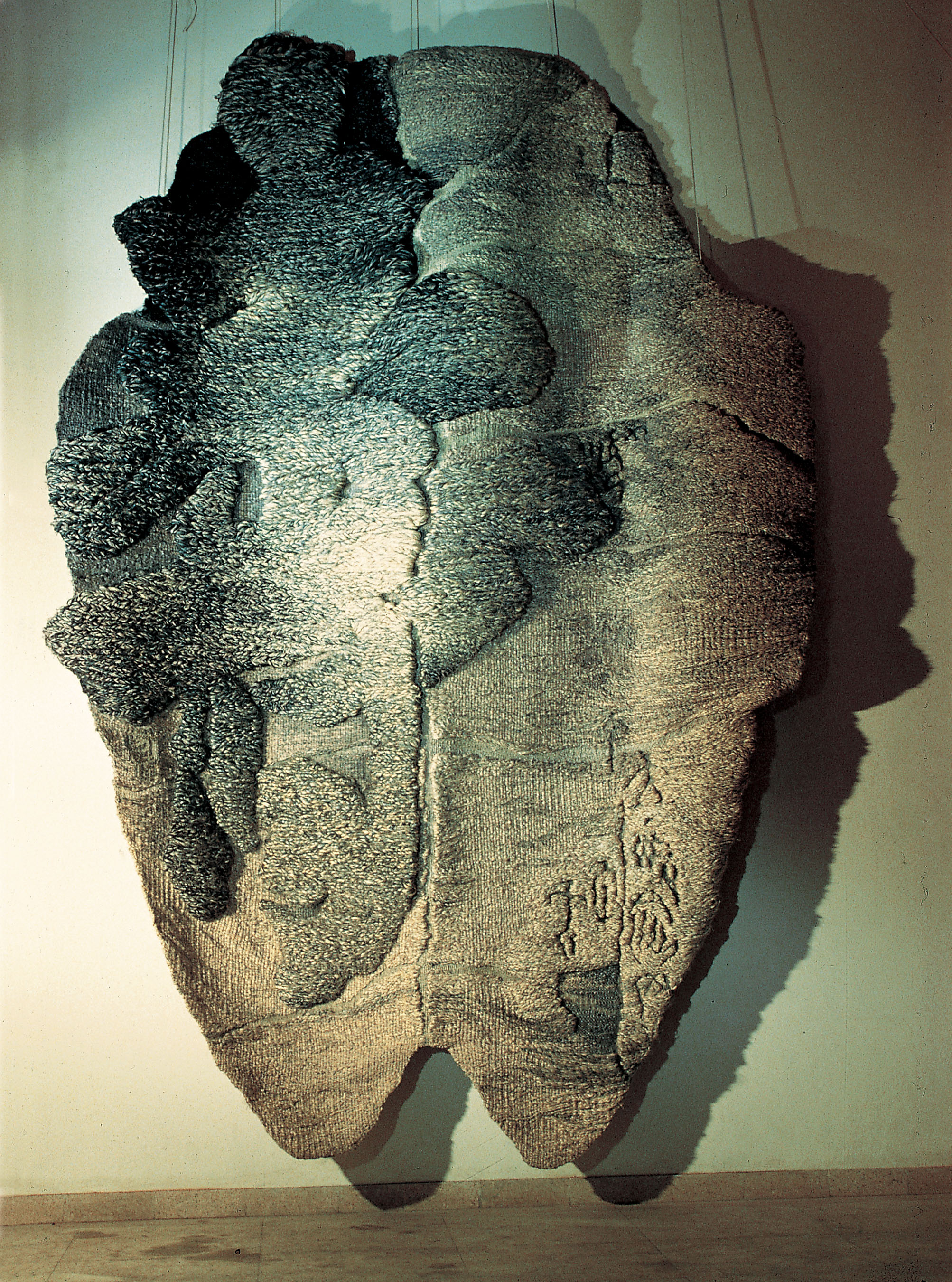
The second phase is “cultural articulation.” Mr. Varbanov repeatedly reminded us that we must return to the sources of Chinese tradition and excavate the expressive power embedded within traditional culture. When he guided me in creating the large-scale tapestry Longevity (Shou, Fig. 3) in 1986, he began from the tradition of calligraphy: using the shape of a tortoise shell as the outer contour, weaving a monumental character shou (longevity) within it, and incorporating references to oracle-bone script in certain details. In doing so, he emphasized the deep historical continuity and enduring vitality of the Chinese calligraphic tradition.
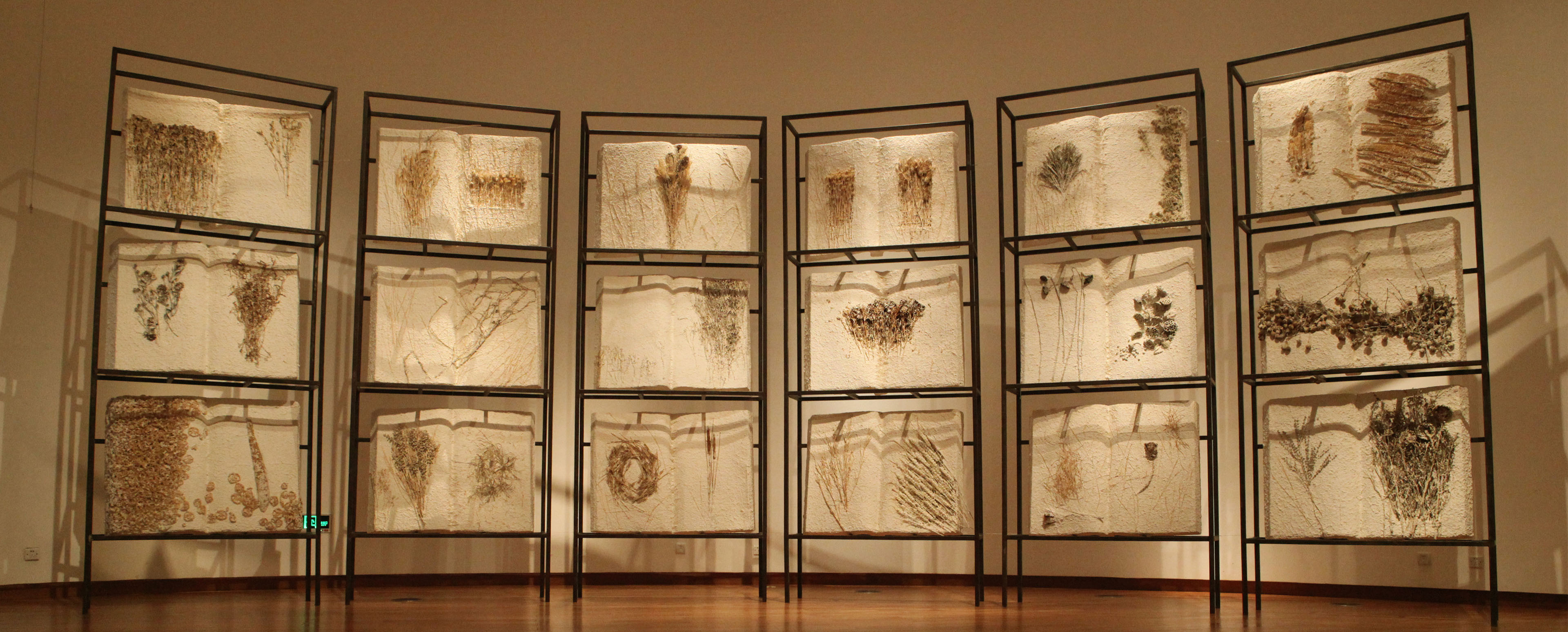
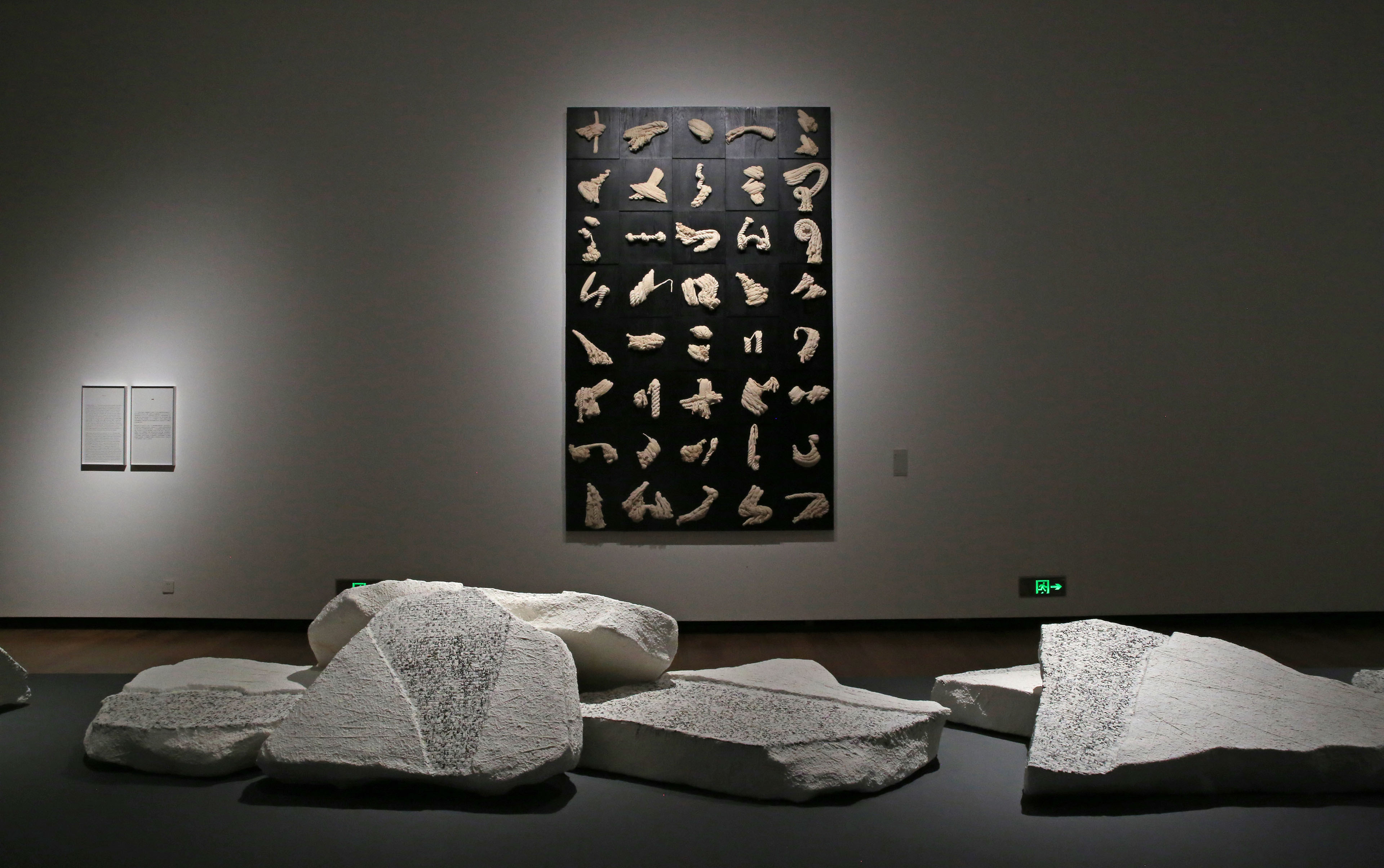
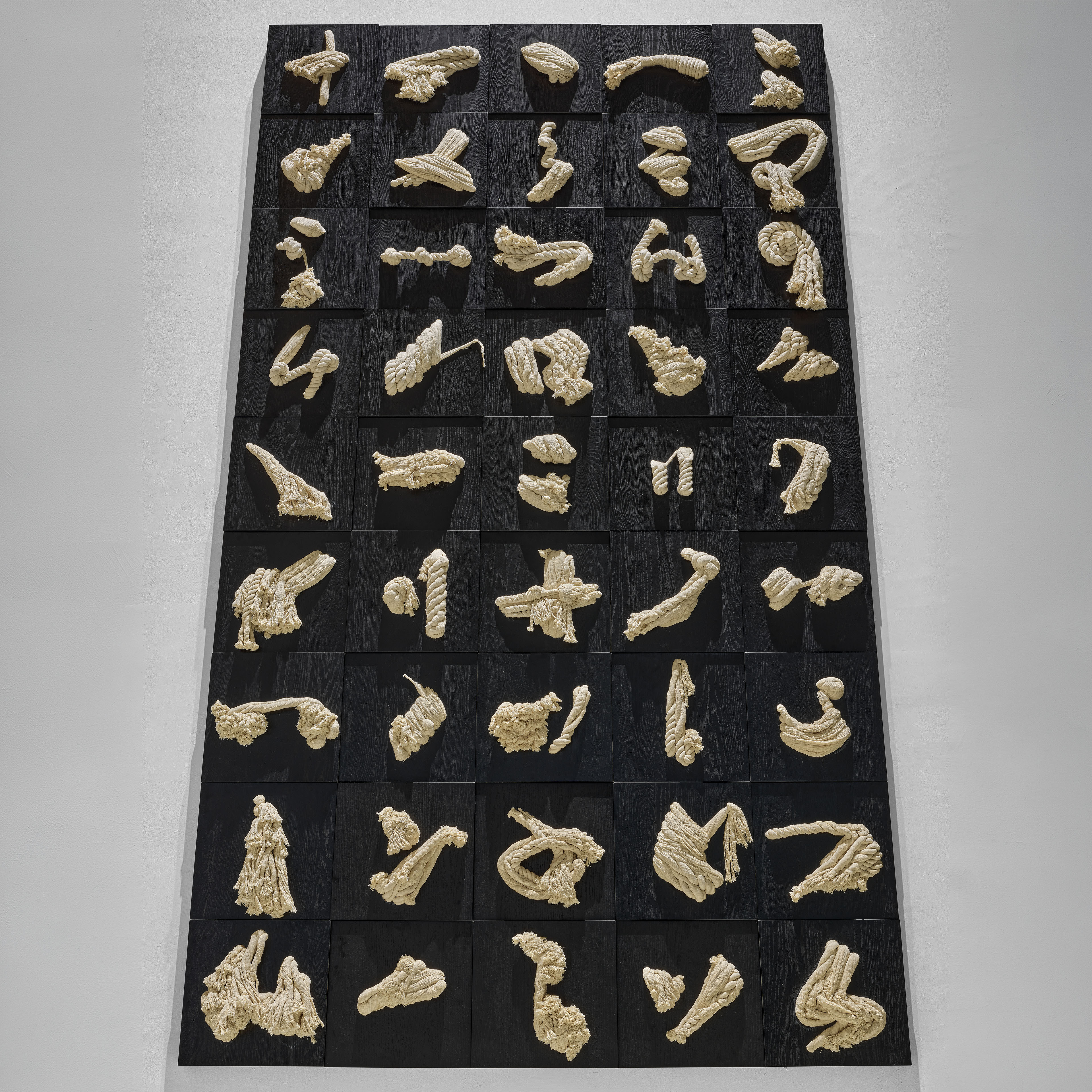
From then on, after 2000 I consciously turned toward a mode of cultural expression that could be understood as “paying homage to tradition.” Series such as "Compendium of Materia Medica" ("Bencao Gangmu", Fig. 4), "Writing Non-Writing" ("Shu fei shu", Fig. 5), and "Echoes of the Epigraph" ("Du bei", Fig. 6) all respond to the spirit and knowledge systems of traditional culture from within a contemporary context.
Deng Yuheng: You began your career right when the lines between craft and fine art were starting to blur. How did you experience that transition? In your eyes, what changed in the way people—and the art world—began to value the medium of fiber?
Shi Hui: The transition of fiber art from “craft” to “art” can be traced back to the so-called “fiber art revolution” of the 1950s and 1960s. In traditional tapestry—or more broadly, traditional fiber crafts—the process was typically divided into two separate stages: the designer or artist produced a cartoon or design, which was then handed over to weavers to execute. The transformation that took place in the 1950s and 1960s fundamentally altered this division of labor. Artists stepped onto the loom themselves and began to weave their own works. Much like an oil painter holding a brush and working directly on canvas, fiber artists started to engage the material directly on the loom. This marked a conceptual and methodological revolution.
What followed was a transformation of form. Tapestry moved away from the flat plane toward relief, three-dimensionality, and eventually spatial and multi-dimensional presentation. The very modes of display were also challenged and rethought. Subsequently came a shift in materials: beyond traditional fibers such as wool, hemp, silk, and cotton, materials like bamboo, wooden slats, rattan, and even linear metal elements entered practices of weaving and construction.
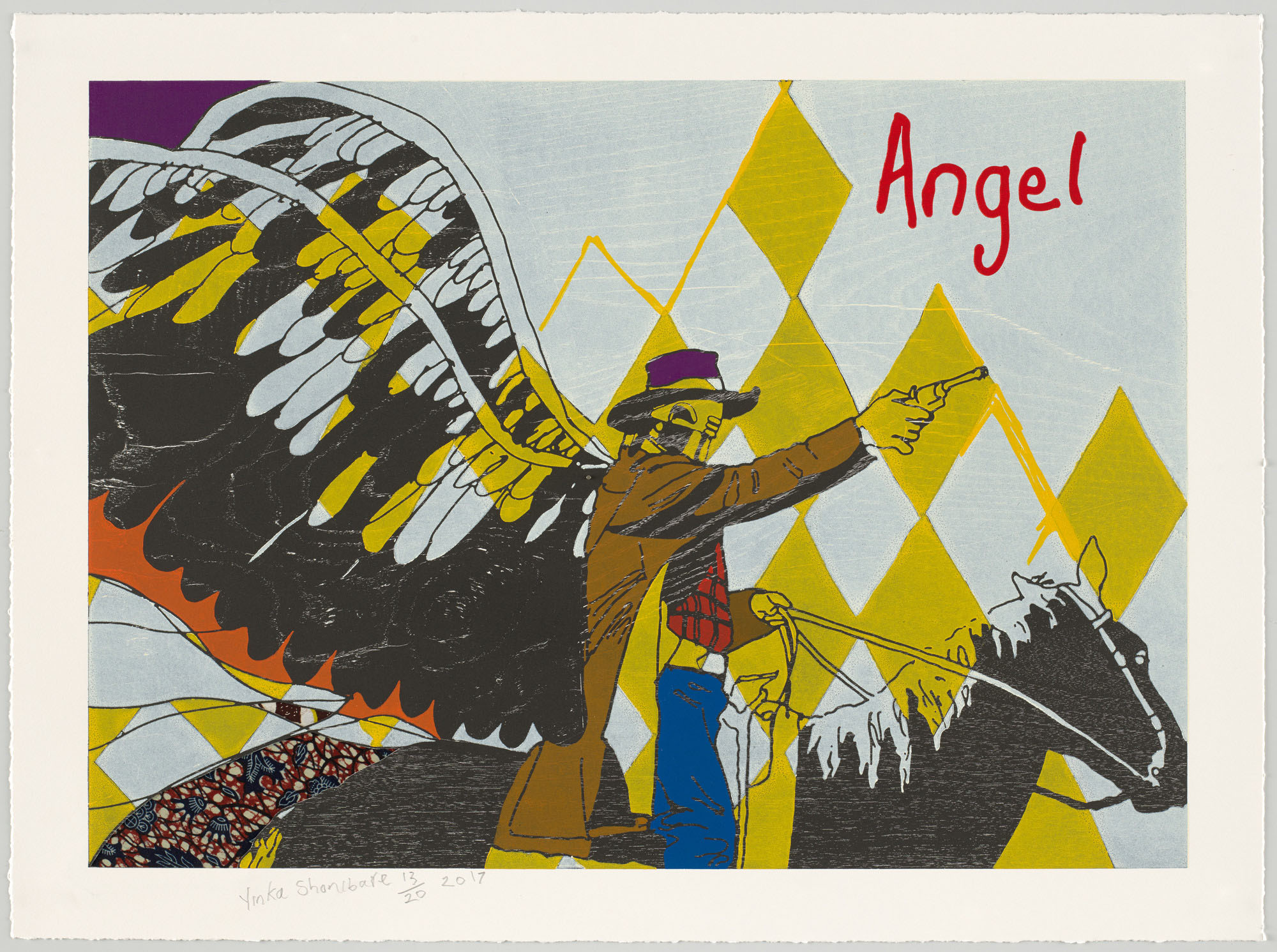
Around the year 2000, an even more significant turning point emerged. Artists began to pay attention to what I would call “the reverse side of materials”—that is, the historical narratives, social experiences, and cultural memories embedded within them. This was not limited to fiber artists; many contemporary artists started to reconsider the latent meanings carried by textiles and fibers. In an international context, the practices of several important artists helped reposition fiber as more than mere texture or handcraft, allowing it to function as a contemporary language capable of bearing history, identity, and structures of power. For me, a particularly compelling example is the British artist Yinka Shonibare (Fig. 6).
Deng Yuheng: You’ve described calligraphy and xuan paper as unconventional "fibers" that acted as a sort of gateway for your material experiments. What do they represent for you on a personal level? And when you work with them, are you consciously drawing on their weight as symbols of Chinese culture, or is it more about the raw, physical energy they bring to a space?
Shi Hui: I have already touched on why I chose xuan paper. It has an exceptional degree of flexibility, which makes it especially suitable for weaving and construction. In my practice, “weaving” functions more as a constructive process—not one of dismantling, but of building and generating. Xuan paper can be twisted or folded into strips and incorporated into woven structures. When the paper has already been written on with calligraphy, it also carries its own information and atmosphere: a sense of calm, a scholarly quality, even a kind of cultural “breath.” This is very important to me.
I always take into account the cultural and national connotations of materials. Every material carries meaning. Hemp suggests a certain primal quality; silk bears strong associations with Chinese cultural history; while industrial materials such as polyester thread are clearly products of the post–Industrial Revolution era, marked by their own sense of time. Materials are never neutral—they always carry historical and cultural contexts, and it is precisely with these contexts that I seek to enter into dialogue.
Deng Yuheng: One thing that really strikes me about your work is how it refuses to stay in one place. You’re constantly pushing fiber art into the realms of architecture, sculpture, and even entire environments. How do you view that crossing of boundaries? Is it a conscious choice to bridge those worlds? What draws you to that interdisciplinary scale, and is that where you see your practice heading next?
Shi Hui: Since the 1960s, many fiber artists around the world have already been exploring ways to bring fiber into architectural spaces. With the rise of modernist architecture, materials like glass, concrete, and steel made many interiors feel colder and more distant. Fiber and tapestry, with their warmth and tactile presence, can enter these spaces and gently soften them, bringing a more human and emotional dimension.
This way of thinking has stayed with me for a long time. I feel that working across materials and disciplines has a kind of social meaning, and that creating large-scale, spatial works is also an important process of growth for an artist. At this point in my practice, I am increasingly concerned with how a sense of cultural feeling can be conveyed. When materials move into space, it is no longer just about form, but about how they can hold and communicate human experience and cultural memory.
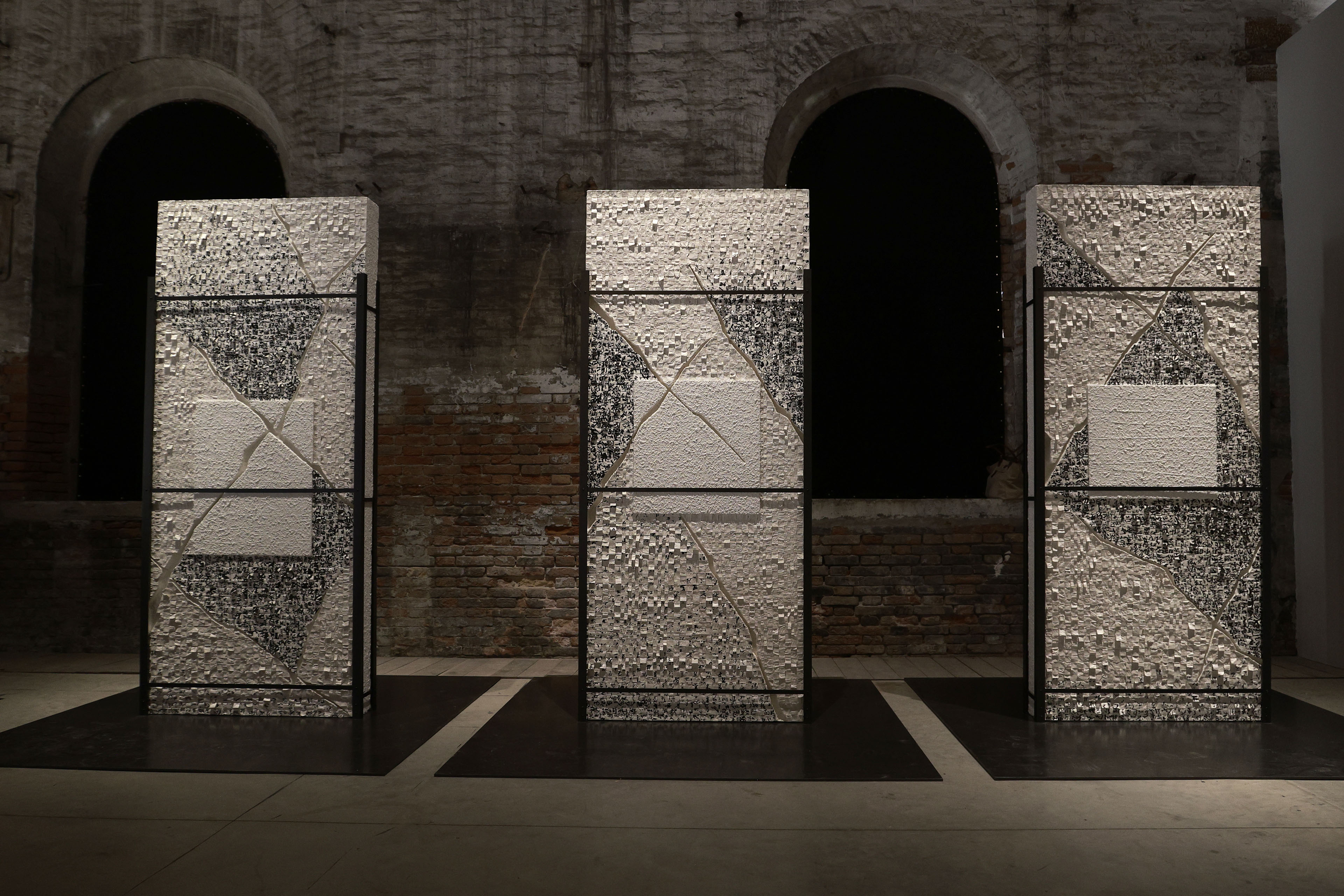
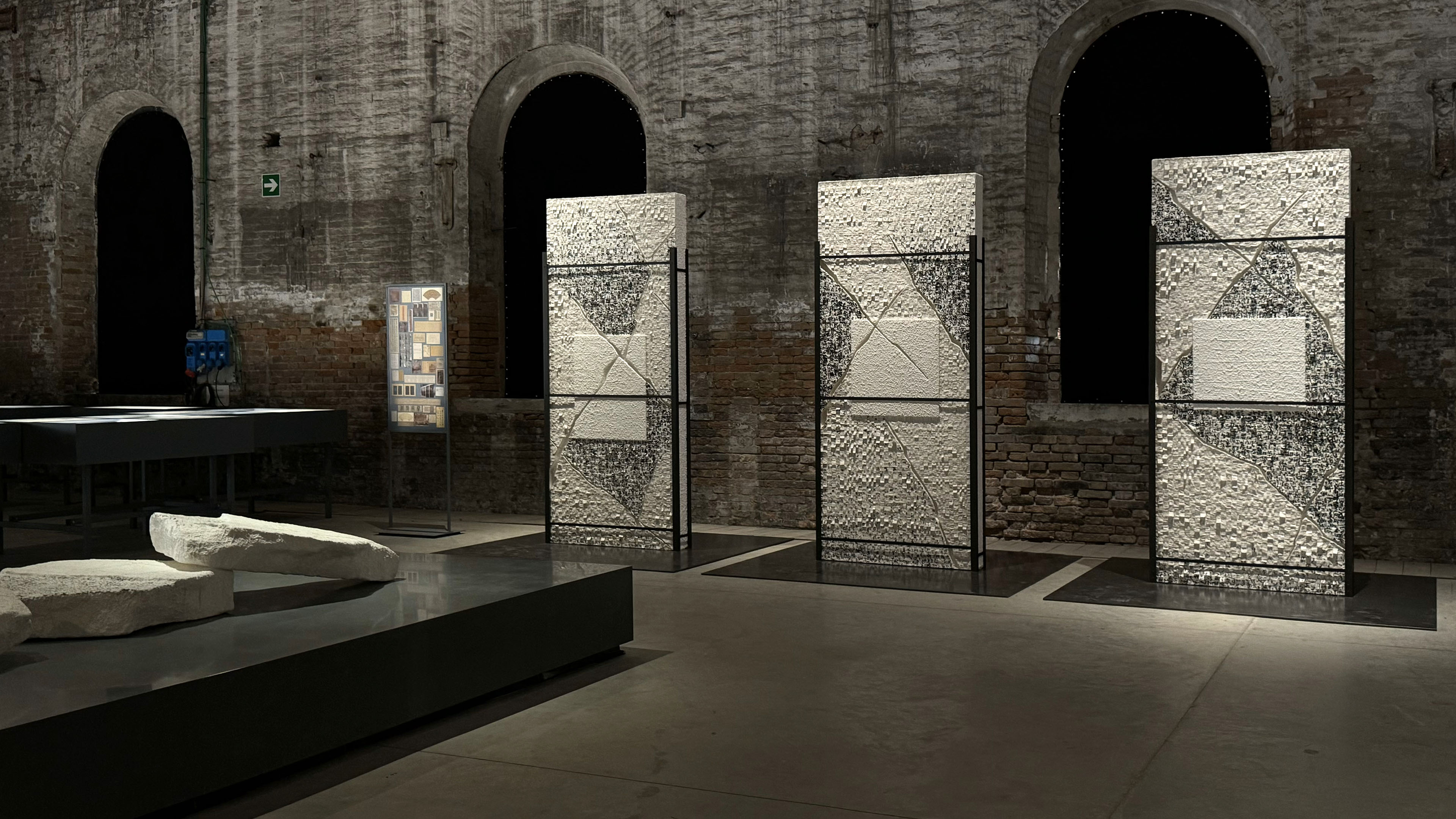
Deng Yuheng: Thinking about that growth and how you’ve pushed into architectural spaces—your work really challenges what we think of as "fabric art." In that context, have you ever felt limited by the term "fiber artist", or do you feel like you’ve moved beyond that label as your work has scaled up?
Shi Hui: I have never really thought of myself as working within a fixed label. When I began learning weaving and fiber art in 1986, the materials I encountered were naturally wool, hemp, and silk. Later, when I came across paper and paper pulp, it felt like a very natural step—almost an opening into another material world. I continued to work with these materials not because I wanted to define myself through them, but because I felt a genuine affinity for them.
I have experimented with other materials as well, including metal, but in the end I am most comfortable moving within the broader world of fiber and the materials that grow out of it. For me, the question is never about labels. What matters is whether a material can carry my experiences, ideas, and ways of expression.
Deng Yuheng: You work both as an artist and as a curator. In 2024, you participated in the Venice Biennale as an artist, while in recent years you have also served as artistic director of the Hangzhou Fiber Art Triennial. At a moment when the global art world increasingly emphasizes postcolonial reflection and plural narratives—and when fiber art is often seen as a medium connected to voices from the “Global South”—what kind of vision do you hope to convey through the triennial?
Shi Hui: I have always thought of myself first and foremost as an artist. Curating, for me, has been something I took on out of necessity rather than choice. When the first Hangzhou Fiber Art Triennial was launched in 2013, there was still a great deal of skepticism within the contemporary art world about whether fiber art truly belonged to contemporary art. We were confident in our understanding, but at that time it was not easy to find a curator who was willing or able to take on the project. So I decided to begin by doing the work myself—because sometimes things need to be made visible before they can be understood.
Over the years, my role in the triennial has gradually shifted toward one of “overseeing the direction”—making sure the overall vision and quality are sustained. Still, I much prefer returning to my position as an artist.
As for the vision, what I hope to communicate is quite simple: fiber art does not belong only to Europe or to any single center of art history. It can emerge anywhere in the world. In Asia, and in China in particular, fiber art can also serve as a powerful vehicle for cultural awareness and contemporary expression. Ultimately, my hope is that the world will recognize the creativity and intellectual depth of Chinese fiber art, and that it can truly take its place on the global stage.
Shi Hui (b. 1955, China) is a pioneering contemporary fiber artist in China. A graduate of the China Academy of Art and the Institute of Art Tapestry Varbanov, she made history in 1987 when her work Longevity was selected for the 13th Lausanne International Tapestry Biennale. Her practice reconfigures traditional weaving into sculptural installations using cotton, linen, and xuan paper to explore material sensitivity and meditative rhythm.
In 2003, Shi founded China’s first fiber art program, establishing it as a critical lens for addressing contemporary culture. An influential educator and author of texts such as The Fifth Space, she has exhibited globally, including at the Smart Museum of Art. Her work remains a vital link between traditional Chinese craft and international contemporary art.
Deng Yuheng is a scholar and curator specializing in East Asian art. He holds an MA in the Humanities with a concentration in Art History and Curatorial Studies from the University of Chicago. His work bridges academic research and museum practice, with a focus on fostering cross-cultural dialogue and expanding the global understanding of East Asian visual culture.